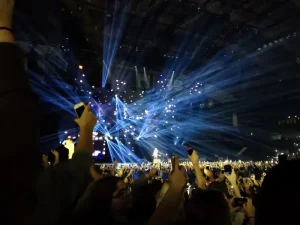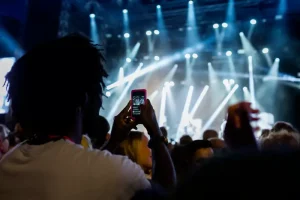

The first time I watched a band play to nine people in a basement room with a broken PA, I understood something about indie music that no chart ever explains. Nobody in that room had a plan that could fail publicly. They had three songs, a borrowed amp, and a reason to keep showing up on a Tuesday night. That stubbornness is where the whole story starts.
Indie music has never been one sound. It is a way of working, built on doing things yourself because nobody else offered to. Over four decades that approach carried bands from cassette tapes to sold out theatres, and it survived every change the industry threw at it. Streaming, social clips, and direct fan payments rewrote the rules again, yet the core habit stayed the same.
This piece traces where indie music came from, what actually pushes an unknown band forward, and how the modern scene rewards artists who understand indie bands breakthrough trends instead of chasing whatever went viral last week.
Where Indie Music Actually Began
Independent music began as a distribution problem before it became a genre. In the late seventies and early eighties, most major labels wanted polished production and a radio friendly single. Bands that played faster, rougher, or stranger simply could not get signed, so they pressed their own records and sold them at shows.
That economic choice created a distinct sound by accident. Limited budgets meant fewer takes, thinner production, and a willingness to keep raw mistakes. Listeners learned to hear honesty in that texture, and the aesthetic stuck long after the money arrived.
The word independent originally described a business arrangement rather than a style. A band on its own label was indie. A band on a major label was not, regardless of how it sounded. That meaning has blurred badly since, and the blur matters, because it explains why so many artists now call themselves indie while working inside major label structures.
From DIY Labels to College Radio
College radio did more for indie music than any other single channel. Stations were staffed by students with wide latitude, and they played records that commercial stations ignored. A band could mail a seven inch single to forty stations and hear it on air within a month.
Small labels grew around that circuit. They knew which stations played what, and they could get a record into rotation without a marketing department. That network gave artists a first audience that did not depend on a hit.
The lesson still applies today in a different form. Every era has a channel that majors ignore because it seems too small. Finding that channel early is one of the oldest indie bands breakthrough trends on record.
The Nineties Alternative Explosion
The nineties changed the scale entirely. A handful of independent bands became enormous, and the major labels responded by buying up small labels and signing anything that sounded like the moment.
That influx of money helped some artists and damaged others. Bands suddenly had budgets, producers, and expectations, along with pressure to repeat a sound that had been accidental in the first place. Many of the most respected records from the decade came from artists who took the money and kept their own instincts.
The deeper shift was perceptual. Indie stopped meaning small and started meaning a flavour of authenticity, which majors could imitate. That contradiction has followed the scene ever since, and it shapes how artists talk about their own independence now.
What Made Indie Bands Break Through
Breakthroughs rarely arrive from one great song. They come from a system working quietly for years, and the artists who last are the ones who built that system before they needed it.
The most common pattern looks like this. A band plays locally for two years, records cheaply, releases consistently, and slowly builds a mailing list. Then one opportunity lands, and because the foundation already exists, the attention converts into something lasting. Bands without the foundation get the same opportunity and disappear within a season.
Building a Live Following Before Chasing Numbers
Streaming numbers are easy to inflate and easy to lose. A crowd that paid to see you in a small room is different, because those people spent money and time to be present.
Venues remember which bands bring people. Promoters book reliable acts again and again, and that repetition compounds into a regional following. Within a few years a band can draw in six cities instead of one, which is exactly what a booking agent looks for.
I have watched a trio from a mid sized town build this patiently for four years. They never had a viral moment. They played a hundred and forty shows, sold merch every night, and kept an email list updated by hand. When a label finally called, they had real leverage in the conversation because they did not need the deal.
Sync Licensing and the New Gatekeepers
Film, television, advertising, and video games became a major income stream for independent artists once digital delivery made licensing fast and cheap. A single placement can pay more than a year of streaming revenue, and it reaches listeners who would never search for the band.
The catch is preparation. Licensing requires clean rights, an instrumental version, and files that meet strict technical standards. Artists who keep those ready get chosen quickly. Artists who have to reconstruct them from a project file lose the opportunity while they work.
How the Modern Indie Scene Has Changed
The modern scene is faster, more transparent, and far more crowded. Any band can release globally on a Friday, which means distribution is no longer the barrier. Attention is the barrier now.
That shift moves the artist’s real work. Instead of finding a way to be heard, a band has to find a way to be remembered. The tools changed. The underlying job did not.
Streaming Algorithms and Playlist Culture
Streaming platforms reward saves, repeat listens, and completion rates more than raw plays. A track that people skip after twenty seconds damages the artist’s standing with the algorithm, because the platform reads skipping as a signal that the recommendation was wrong.
That creates a practical lesson about song structure. Strong openings, early hooks, and shorter intros perform better on streaming, not because listeners have short attention spans but because the data says so. Artists who fight this out of principle usually lose the placement and keep the principle.
Playlists still matter, and editorial playlist placement is genuinely hard to get. The realistic path runs through independent playlist curators and algorithmic discovery, both of which respond to consistent releases rather than one impressive single.
Social Clips, Short Form, and Direct Fan Access
Short form video changed how audiences find music more than any other development of the past decade. A fifteen second clip can put a song in front of millions, and the discovery often happens before anyone knows the band’s name.
The trap is treating the platform as the goal. Followers are not the same as fans. A band with forty thousand passive followers and no mailing list has less security than a band with two thousand engaged listeners who open every message.
Direct access is the real advantage. Artists now speak to their audience without a label, a magazine, or a radio station in between. Handled honestly, that contact builds a level of loyalty older acts could only dream about.
The Economics of Being an Indie Band Today
Money in independent music comes from several places at once, and no single source carries a career. Streaming pays little per play. Live shows pay well if the band can draw. Merchandise often outperforms everything else per head in the room. Sync placements arrive in lump sums. Direct support through subscription platforms works for artists with a small, devoted following.
Understanding those ratios is what keeps bands alive. An act touring on ticket sales alone usually breaks even at best. An act that treats merch as a real product line, not an afterthought, can fund a van and a recording.
Costs deserve honest accounting too. Recording, mixing, mastering, artwork, distribution, and travel add up quickly, and most of them are paid before any revenue arrives. Bands that track those numbers make better decisions about where to spend.
Mistakes That Stall Independent Artists
The most damaging mistake is waiting for a label to solve a problem the band could solve itself. A small label can help with distribution and funding, and it cannot manufacture an audience that does not exist.
The second mistake is releasing music without a reason for anyone to care that week. A single dropped with no story, no show, and no message reaches almost nobody. The third is abandoning the mailing list in favour of follower counts, which is building on rented ground.
The fourth mistake is copying a trend after it has already peaked. By the time a sound dominates short form video, the audience is already tired of it. Reading indie bands breakthrough trends properly means noticing shifts early rather than arriving late to a crowded room.
A Practical Path Forward for Emerging Bands
Decide what you are actually building before you spend money. If live performance is the core, invest in the show and the local draw. If recorded work is the core, release consistently and treat each release as a reason to reach out to everyone who has ever listened.
Then keep the administrative basics ready at all times. A clean split sheet, an updated email list, instrumental versions of every track, and a short artist biography that says what you sound like in one sentence. These small items decide whether opportunities convert.
Play more shows than feels reasonable, and record everything. Filming your own performances gives you clip material, proves your live ability to promoters, and builds a record of progress you can actually see. Two years of consistent effort beats two months of intense effort followed by silence.
Conclusion: Independence Is a Practice, Not a Label
Indie music started as a business decision and became a way of working. The history runs from mail order singles through college radio to global streaming, and the same lesson repeats at every stage. Artists who build their own foundation get to keep the leverage when attention finally arrives.
Modern breakthroughs come from consistent releases, a real live following, prepared licensing material, and direct relationships with people who care. None of that is glamorous, and all of it works. Understand indie bands breakthrough trends as patterns rather than shortcuts, and you will still be standing when the trend that made somebody else famous has already faded.
FAQs
1. What does indie actually mean for a band today?
Originally it meant releasing music outside the major label system, and the term now describes a working attitude as much as a business arrangement. Many artists calling themselves independent still work with distributors, sync agencies, and label services while keeping ownership of their recordings and their decisions.
2. How do unknown indie bands get discovered in 2026?
Most discovery happens through short form video clips, algorithmic streaming recommendations, and live shows that build a regional following. Sync placements in film, television, and games also introduce bands to audiences who would never find them through a music search, and these routes often work together.
3. Do indie bands still need a record label?
No, and many do well without one. Labels help with funding, distribution, and industry connections, and they cannot create an audience from nothing. Bands with an existing live following, an engaged mailing list, and steady releases can negotiate from strength or stay fully independent.